
Winter Road Safety for Trucks: Essential Tips for Drivers


Understanding Winter Road Challenges
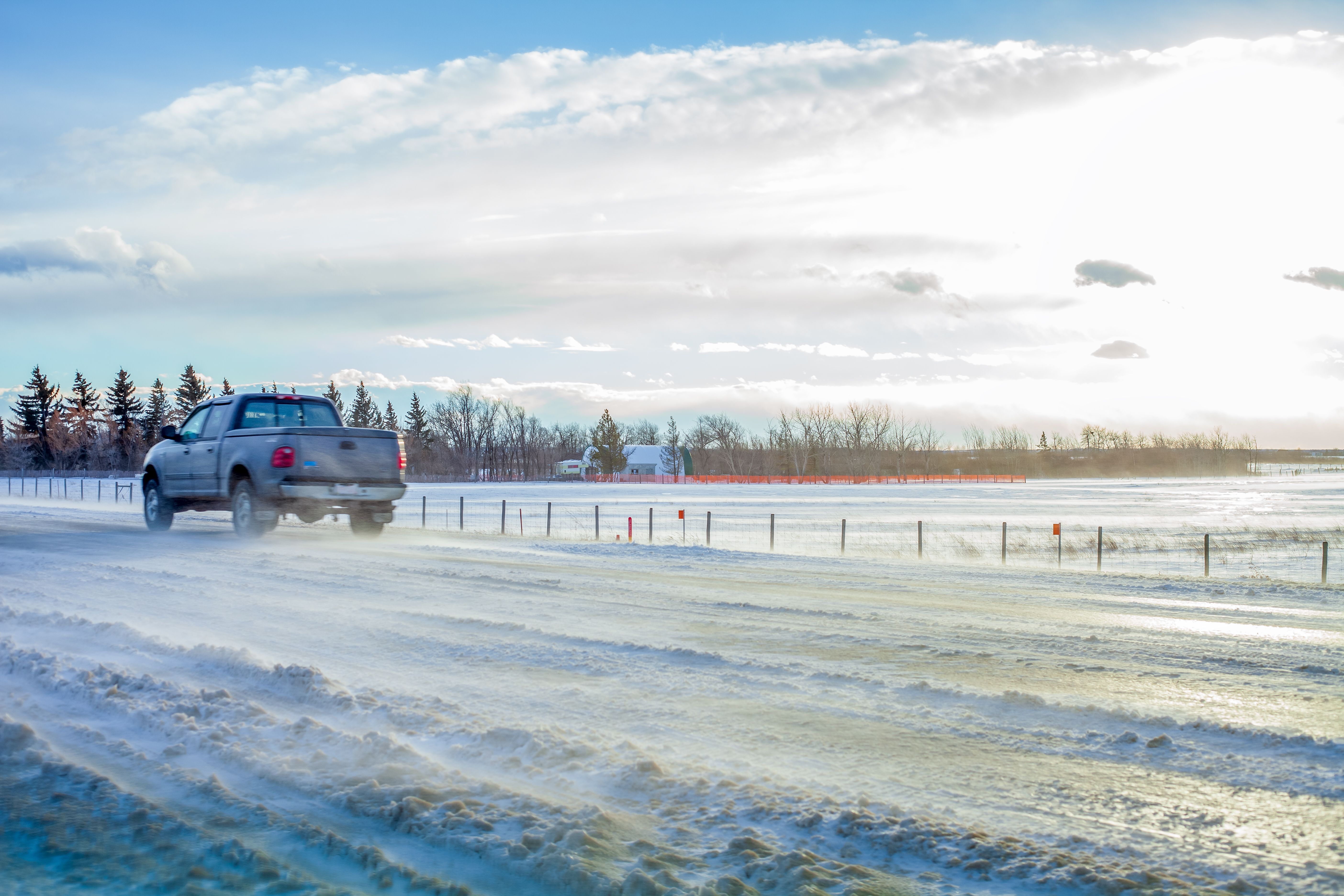
Driving a truck during the winter months presents unique challenges that require careful preparation and vigilant attention. Snow, ice, and sleet can significantly impact traction, visibility, and vehicle control. Understanding these challenges is crucial for ensuring safety on the road.
Winter conditions can change rapidly, making it essential for truck drivers to stay informed and adapt to the weather. Monitoring weather forecasts and road conditions is a proactive step that can help in planning safer routes.

Preparing Your Vehicle
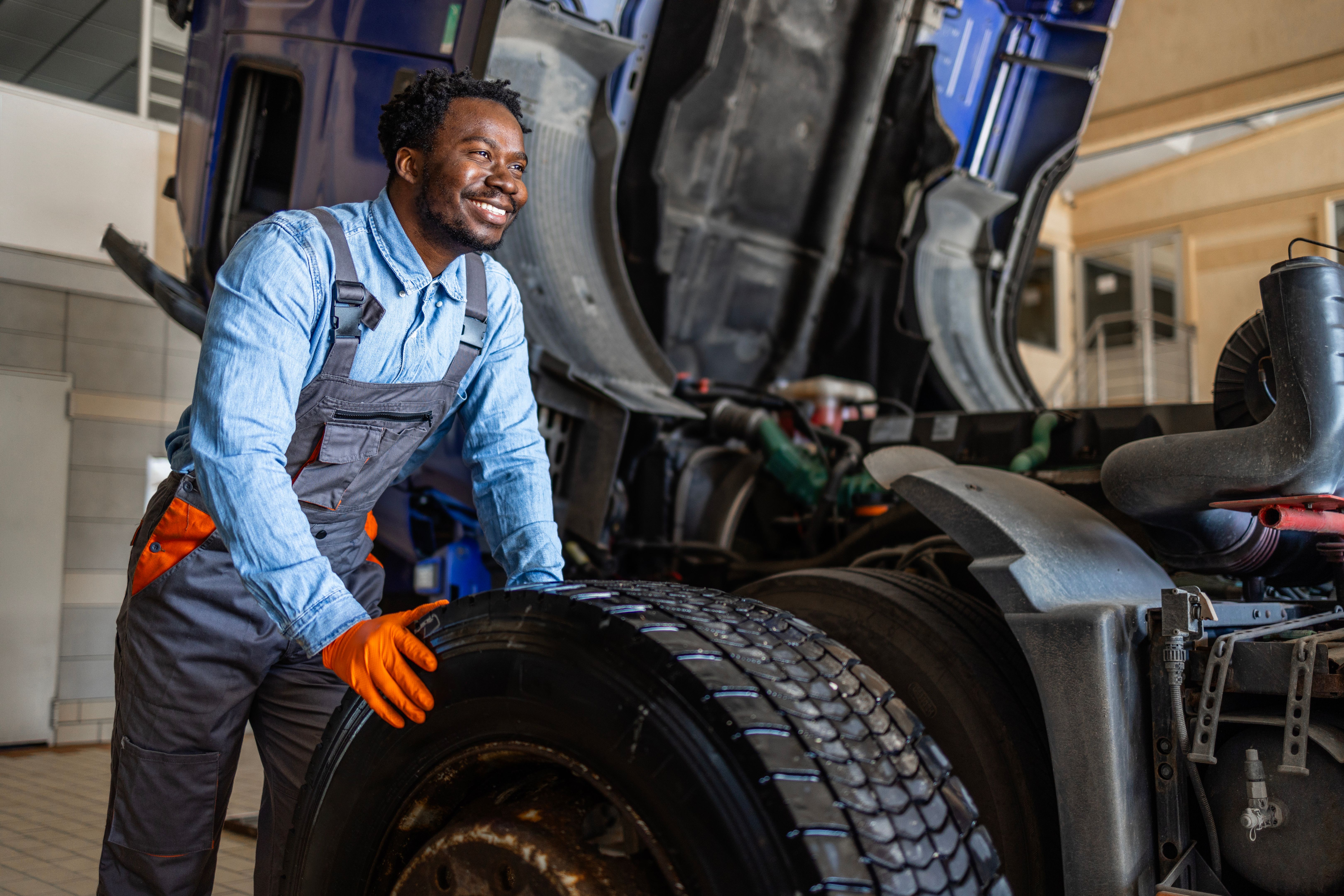
Before hitting the road, it’s important to ensure your truck is fully prepared for winter driving. Regular maintenance checks are vital. This includes examining tire tread, brakes, lights, and windshield wipers. Ensuring your vehicle is in top condition can prevent breakdowns and accidents.
Equipping your truck with the right winter gear is also essential. Consider carrying snow chains, a spare fuel filter, and additional windshield washer fluid. These items can be lifesavers in extreme conditions and contribute to a smoother journey.
Driving Techniques for Safety
Adjusting your driving techniques is crucial when navigating winter roads. Reducing speed is one of the most effective ways to increase safety, allowing more time to react to sudden changes. Additionally, increasing the following distance between your truck and other vehicles can prevent rear-end collisions.
Avoid sudden movements such as sharp turns or quick stops, which can lead to skidding. If your vehicle starts to skid, steer gently in the direction you wish to go and avoid slamming on the brakes.
Staying Alert and Focused
Driver fatigue is a common issue during long hauls, but it can be particularly dangerous in winter. Ensure you are well-rested before starting your journey and take regular breaks to stay alert. If you feel drowsy, it’s vital to stop and rest.
Keep distractions to a minimum by organizing your cab and using hands-free devices if necessary. Staying focused allows you to respond quickly to unexpected situations, such as sudden weather changes or road obstructions.
Emergency Preparedness
Being prepared for emergencies is a key aspect of winter road safety. Carry an emergency kit that includes items such as a flashlight, blankets, food, water, and a first-aid kit. These can provide crucial support in case of unexpected delays or accidents.
Ensure your communication devices are fully charged and have backup power sources. Keeping in touch with dispatchers and emergency services can make a significant difference in critical situations.

Conclusion
Winter road safety for trucks involves a combination of preparation, awareness, and adaptability. By understanding the challenges and equipping yourself with the right tools and techniques, you can ensure a safer and more efficient journey.
Remember, the goal is not just to reach your destination, but to do so safely. Prioritize safety over speed, and make informed decisions whenever you encounter winter road conditions.