
Understanding Warehousing and Distribution in Chicago: A Comprehensive Guide


Introduction to Warehousing and Distribution in Chicago
Chicago, known for its strategic location and robust infrastructure, is a central hub for warehousing and distribution in the United States. This bustling metropolis offers unparalleled access to major markets and transport networks, making it an ideal location for businesses looking to optimize their supply chain operations.

The Importance of Location
The city’s geographical position is a significant advantage for warehousing and distribution. Situated at the crossroads of major interstate highways and rail networks, Chicago provides easy access to both coasts, the Midwest, and the South. This connectivity reduces transit times and shipping costs, which are critical factors in logistics management.
Furthermore, Chicago's proximity to O'Hare International Airport, one of the busiest airports in the world, facilitates efficient air freight operations. This is crucial for businesses that require rapid delivery of goods to international destinations.
Infrastructure and Facilities
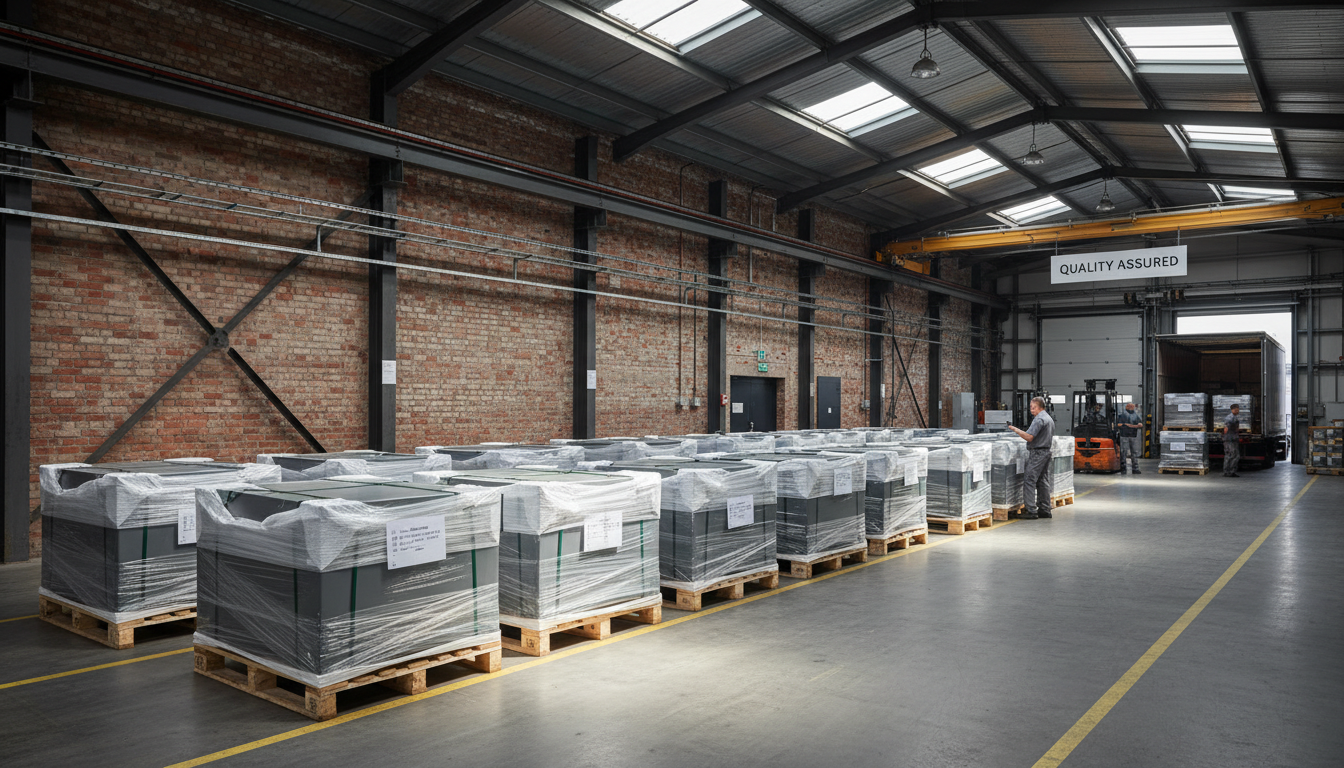
Chicago offers a wide range of warehousing facilities, from small storage units to expansive distribution centers. Many of these facilities are equipped with advanced technology to streamline operations, such as automated sorting systems and real-time inventory tracking. These innovations help businesses maintain efficiency and accuracy in their supply chains.

Additionally, the city’s infrastructure supports 24/7 operations, ensuring that goods can be received, stored, and shipped at any time. This flexibility is vital for companies that operate on tight schedules and require round-the-clock service.
Key Industries Utilizing Warehousing and Distribution
Several industries benefit from Chicago’s warehousing and distribution capabilities, including:
- Manufacturing: With its rich manufacturing history, Chicago supports numerous industries requiring efficient distribution channels.
- Retail: Retailers rely on the city’s logistics networks to ensure timely delivery of products to stores and consumers.
- Food and Beverage: The city’s cold storage facilities are essential for the perishable goods sector, maintaining quality and freshness.
Challenges and Considerations
Despite its advantages, businesses must navigate certain challenges in Chicago’s warehousing and distribution sector. High demand for space has led to increased rental costs, and companies must carefully consider their budget constraints. Additionally, traffic congestion can pose logistical hurdles, necessitating strategic planning and scheduling to mitigate delays.
However, with careful planning and leveraging local expertise, businesses can overcome these challenges and harness the benefits of Chicago’s logistics infrastructure.
Future Trends in Warehousing and Distribution
The future of warehousing and distribution in Chicago looks promising, with ongoing investments in technology and infrastructure. Trends such as the adoption of AI and IoT in logistics operations are set to enhance efficiency and transparency. These advancements will enable businesses to meet the rising consumer demand for faster and more reliable delivery services.
Moreover, sustainable practices are gaining traction, with companies seeking eco-friendly solutions to reduce their carbon footprint. This shift towards sustainability will likely drive innovation and set new standards in the industry.
Conclusion
Understanding the dynamics of warehousing and distribution in Chicago is crucial for any business looking to optimize its logistics operations. The city’s strategic location, advanced facilities, and diverse industry presence make it a key player in the national supply chain network. By staying informed and adapting to emerging trends, businesses can leverage Chicago’s strengths to achieve greater efficiency and success in their operations.