
The Future of Trucking: Innovations and Trends to Watch


Introduction to the Future of Trucking
The trucking industry is undergoing a significant transformation, driven by technological advancements and changing market demands. This evolution promises to enhance efficiency, safety, and sustainability across the sector. As we look to the future, several key innovations and trends are poised to reshape how trucking operates.

Autonomous Vehicles: The Road Ahead
One of the most talked-about innovations in trucking is the development of autonomous vehicles. These self-driving trucks are designed to reduce human error, increase fuel efficiency, and optimize delivery times. Companies are investing heavily in this technology, with pilot programs already underway in various parts of the world.
The benefits of autonomous trucking are numerous. They include reduced operational costs, improved safety records, and the ability to operate vehicles 24/7 without the need for driver breaks. However, widespread adoption will require overcoming regulatory hurdles and public acceptance.
Electric Trucks: Charging into a Sustainable Future
Electric trucks are another exciting development, offering a more sustainable alternative to traditional diesel-powered vehicles. As battery technology improves, electric trucks are becoming more viable for long-haul routes. Major manufacturers are rolling out new models that promise longer ranges and faster charging times.
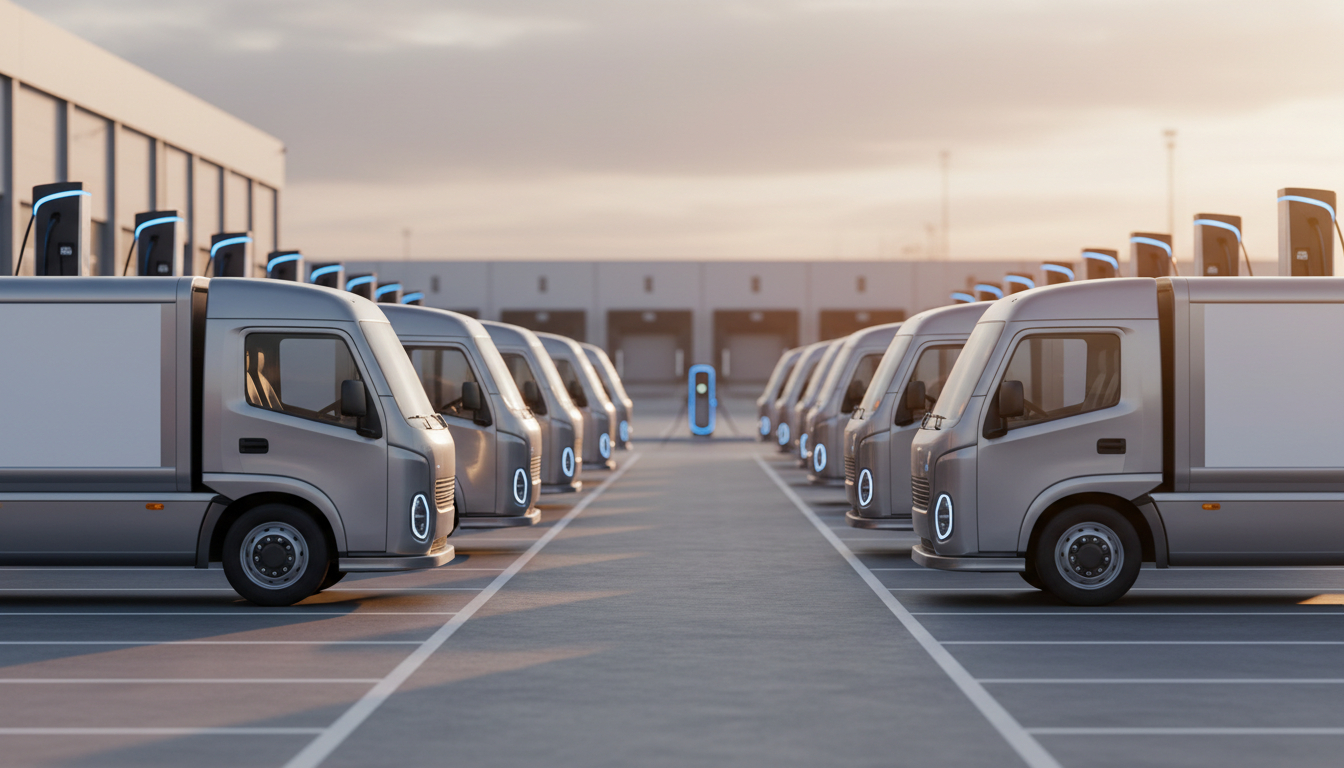
Benefits of Electric Trucks
The transition to electric trucking provides several advantages:
- Environmental Impact: Reduced emissions contribute to cleaner air and a lower carbon footprint.
- Cost Savings: Lower fuel and maintenance costs can lead to significant savings over time.
- Regulatory Compliance: Electric trucks help companies meet stringent environmental regulations.
Telematics and Connectivity
Telematics systems and enhanced connectivity are revolutionizing fleet management. By using GPS and onboard diagnostics, fleet managers can monitor vehicle performance, optimize routes, and predict maintenance needs. This data-driven approach enhances efficiency and minimizes downtime.
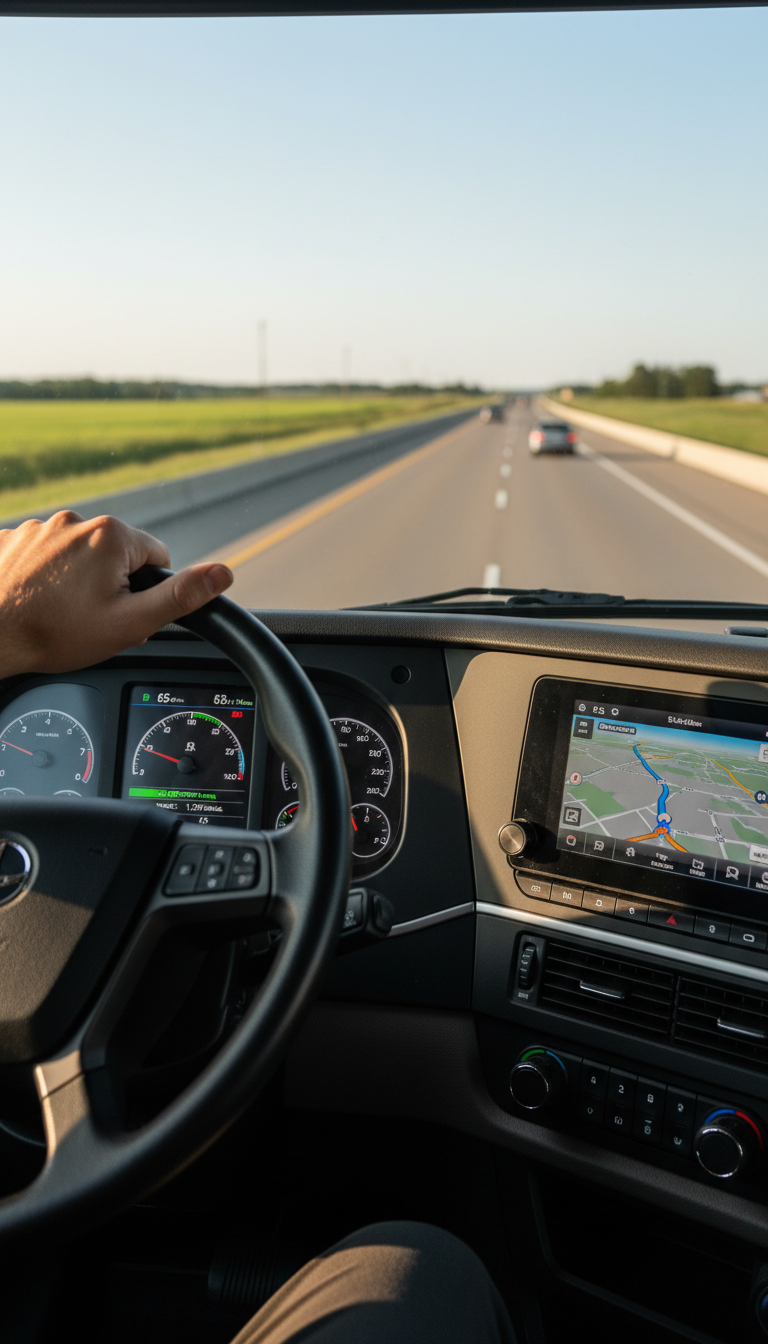
Improving Safety and Efficiency
Advanced telematics also contribute to improved safety by monitoring driver behavior and providing real-time feedback. This technology can identify risky driving patterns, allowing for targeted training and intervention. Additionally, connected vehicles can communicate with each other to avoid traffic jams and reduce fuel consumption.
Challenges and Opportunities
While these innovations present exciting opportunities, the trucking industry faces several challenges. The integration of new technologies requires substantial investment and training. Moreover, the shift towards automation and electrification raises questions about job displacement and the future workforce.
Despite these challenges, the potential rewards are significant. Embracing innovation can lead to a more resilient and competitive industry, ready to meet the demands of the future.
Conclusion
The future of trucking is bright, with innovations paving the way for a more efficient, sustainable, and safer industry. As companies continue to invest in new technologies, the trucking landscape will evolve, offering exciting possibilities for businesses and consumers alike. Staying informed about these trends will be crucial for those looking to thrive in the ever-changing world of trucking.