
The Comprehensive Guide to Freight Transportation Services in the U.S.


Understanding Freight Transportation Services
Freight transportation is the backbone of the U.S. economy, facilitating the movement of goods across vast distances. With a variety of options available, businesses can choose from several modes depending on their needs. Understanding these options is crucial for optimizing logistics and ensuring efficient delivery.
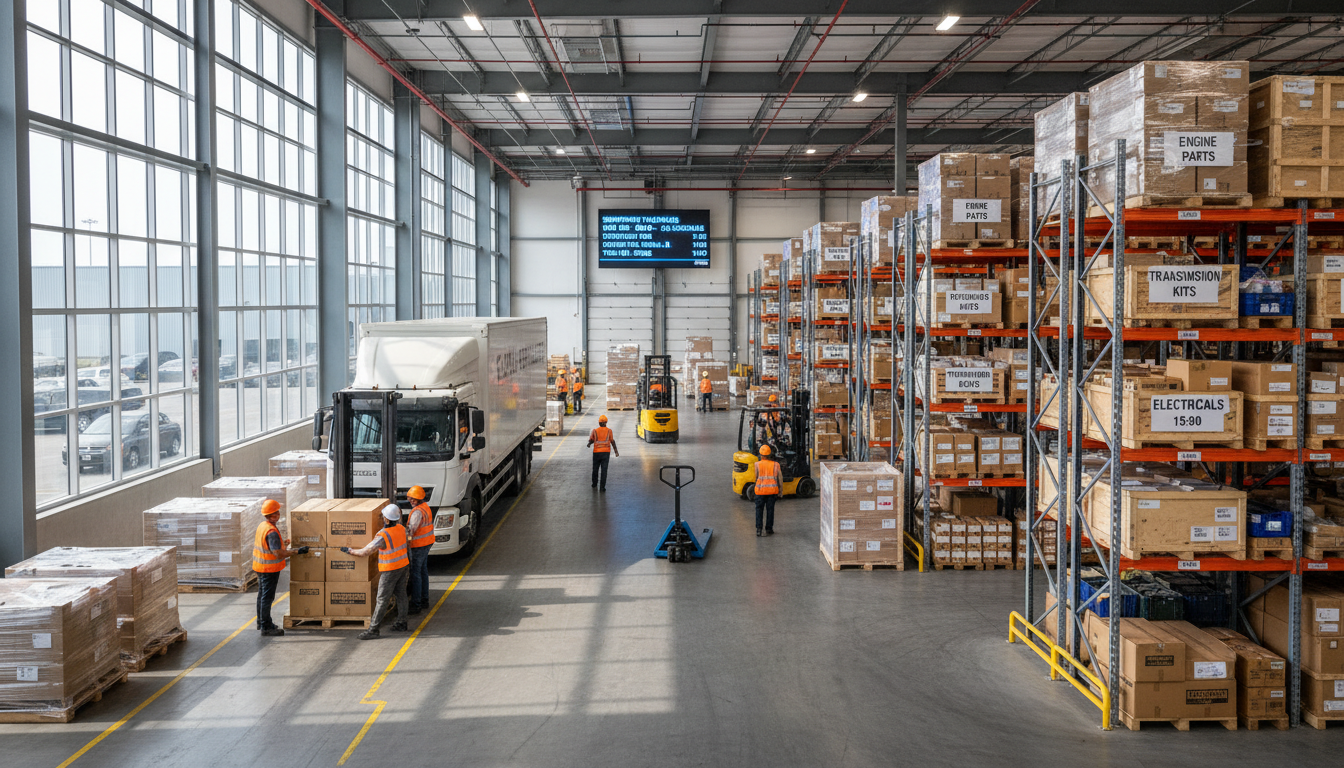
Types of Freight Transportation
In the U.S., freight transportation primarily relies on four key modes: road, rail, air, and sea. Each mode offers unique advantages:
- Road: Trucks are versatile and provide door-to-door service.
- Rail: Ideal for long distances and large quantities.
- Air: Fastest option for time-sensitive shipments.
- Sea: Cost-effective for international and heavy goods.
Choosing the Right Freight Service
Selecting the appropriate freight service involves evaluating several factors. Considerations include the nature of the goods, delivery timelines, and budget constraints. Businesses need to align their shipping needs with the strengths of each transportation mode.
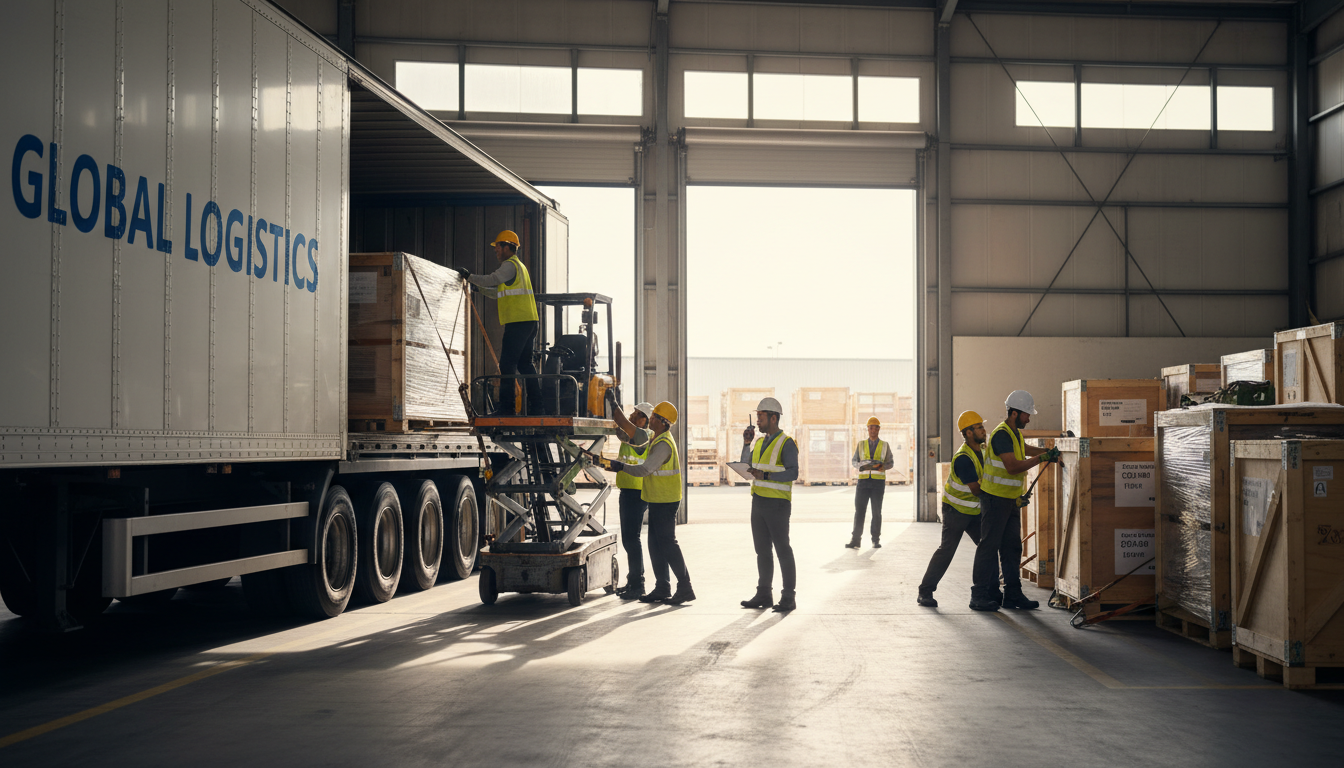
Integrated Logistics Solutions
Many companies now opt for integrated logistics solutions, which combine multiple transportation modes. This approach provides flexibility and can lead to cost savings. By leveraging a combination of road, rail, air, and sea, businesses can maximize efficiency and reduce transit times.
Benefits of Freight Transportation Services
Freight transportation services offer numerous benefits, including improved supply chain management and enhanced customer satisfaction. By ensuring timely deliveries and reducing transit costs, businesses can gain a competitive edge. Additionally, the use of technology in tracking shipments provides real-time updates, enhancing transparency.

Future Trends in Freight Transportation
The freight industry is evolving with advancements in technology. Innovations such as autonomous vehicles, drones, and blockchain are set to transform the landscape. These technologies promise increased efficiency, reduced costs, and a more sustainable approach to logistics.
As businesses continue to navigate a complex market, staying informed about changes in freight transportation services is essential. Embracing new trends and technologies will be key to maintaining a resilient supply chain.