
Navigating the Chicago Warehousing Scene: What You Need to Know


Understanding the Chicago Warehousing Landscape
Chicago, known for its rich history and vibrant economy, is a major hub for logistics and warehousing in the United States. The city's strategic location makes it an ideal spot for businesses looking to optimize their supply chain operations. Whether you are a seasoned logistics professional or new to the industry, understanding the nuances of Chicago's warehousing scene is crucial.

Key Factors to Consider
When navigating the Chicago warehousing scene, several critical factors should be considered. First and foremost, location is key. Being centrally located, Chicago offers easy access to major highways, railroads, and airports, making it a logistics powerhouse. However, choosing the right neighborhood within the city can significantly impact your operations.
Another important factor is the type of warehousing services you require. From storage and distribution to fulfillment and cross-docking, Chicago warehouses offer a wide range of services. It’s essential to align these services with your business needs to maximize efficiency.
Types of Warehousing Solutions
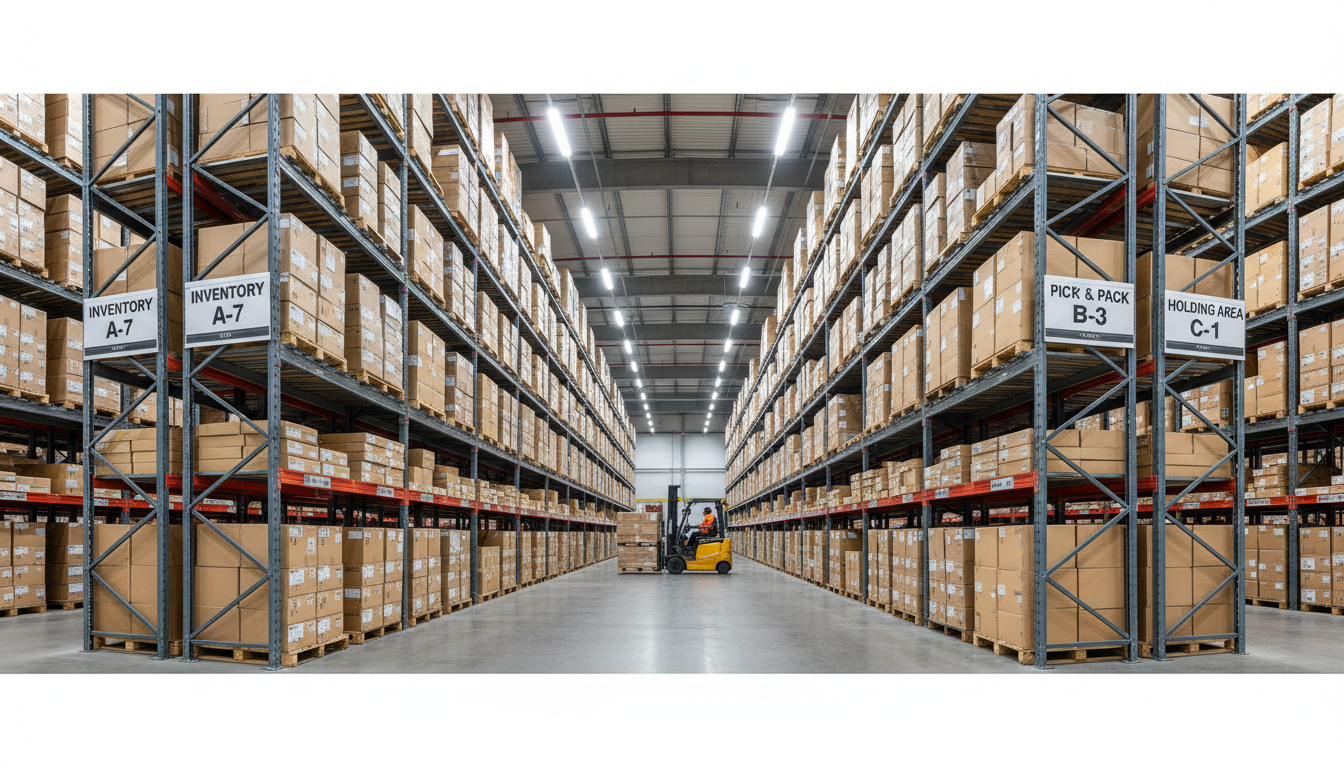
Chicago offers a variety of warehousing solutions tailored to different industries. Some of the most common options include:
- Public Warehouses: These facilities are ideal for businesses looking for short-term storage solutions. They offer flexibility and are a cost-effective option.
- Private Warehouses: Owned and operated by businesses, these warehouses provide more control over operations but require a significant investment.
- Climate-Controlled Warehouses: Essential for storing sensitive goods, these facilities maintain specific temperature and humidity levels.
Technological Advancements
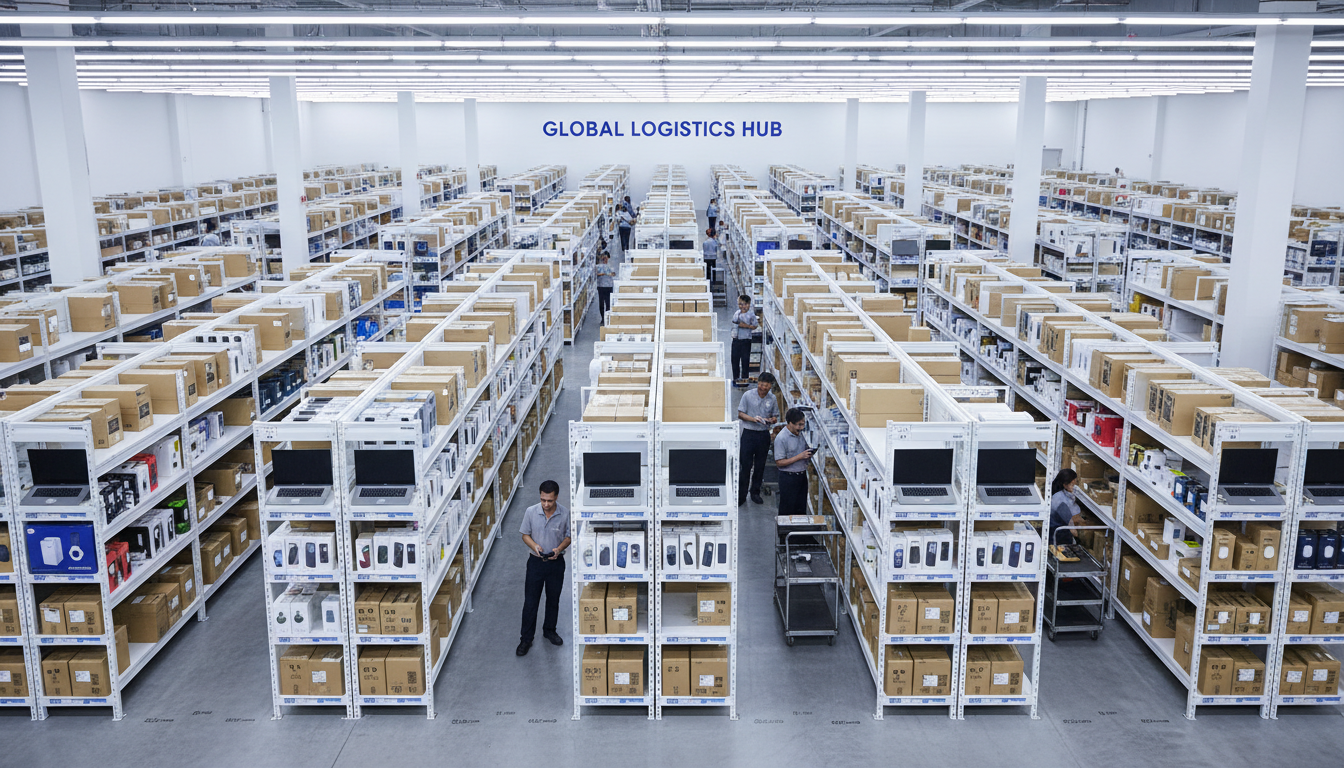
The integration of technology in warehousing has revolutionized the industry. In Chicago, many warehouses are adopting advanced technologies such as warehouse management systems (WMS), automation, and robotics. These innovations enhance productivity and accuracy, ensuring that goods are stored and retrieved efficiently.
Challenges in Chicago Warehousing
Despite its advantages, warehousing in Chicago comes with its own set of challenges. One of the primary issues is the cost of real estate. As demand for warehouse space increases, so do rental rates and property prices. Businesses must carefully evaluate their budget and negotiate favorable lease terms.
Additionally, the city’s harsh winters can impact logistics operations. Weather-related disruptions can lead to delays, making contingency planning a vital part of any warehousing strategy in the region.
Choosing the Right Partner
Finding the right warehousing partner in Chicago can make a significant difference in your supply chain efficiency. Look for providers with a strong track record, excellent customer service, and the ability to scale operations as your business grows. Visiting potential warehouses and reviewing their security measures and technology capabilities can provide valuable insights.

In conclusion, navigating the Chicago warehousing scene requires a thorough understanding of the local market, a strategic approach to selecting services, and a keen eye for emerging technologies. By considering these factors, businesses can effectively leverage Chicago’s logistical advantages to enhance their operations.