
Myth-Busting Freight Transportation: Separating Fact from Fiction


Understanding Freight Transportation Myths
Freight transportation is a crucial part of the global economy, yet it's often misunderstood. Many myths surround the industry, leading to confusion and misconceptions. In this blog post, we’ll debunk some of these myths and reveal the truths that drive this essential sector.

Myth 1: All Freight Shipping is the Same
One common myth is that all freight shipping services are the same. In reality, freight transportation encompasses a wide range of services tailored to different needs. From air freight for urgent deliveries to ocean shipping for large and bulky items, each mode of transport offers unique benefits.
Choosing the right type of shipping depends on various factors, including the nature of the goods, delivery timelines, and cost considerations. Understanding these options helps businesses make informed decisions that best suit their requirements.
Myth 2: Freight Shipping is Always Expensive
Another misconception is that freight shipping is prohibitively expensive. While it's true that costs can vary, there are numerous ways to manage and reduce expenses. Strategies such as consolidating shipments, optimizing routes, and leveraging technology can lead to significant savings.
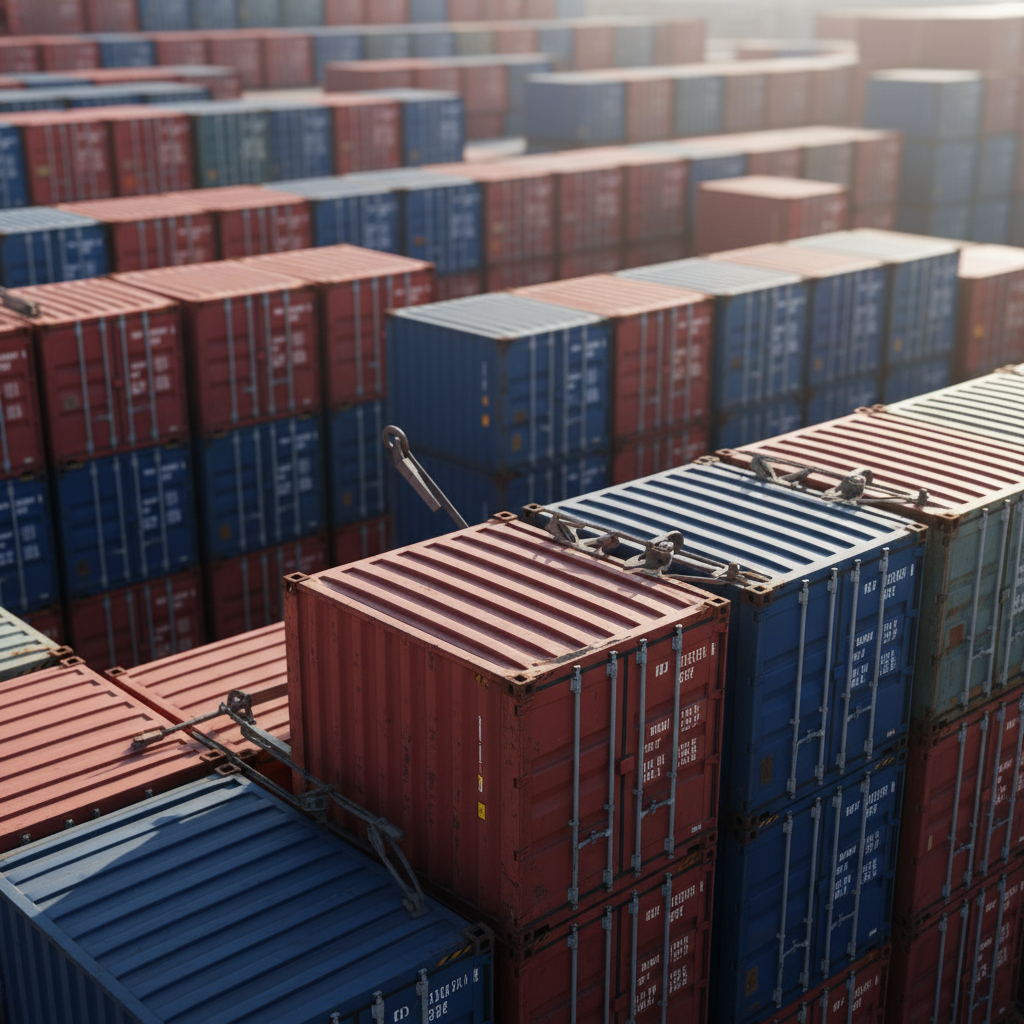
Moreover, working with experienced logistics partners can provide businesses with insights and solutions to optimize their shipping processes, ensuring cost-effectiveness without compromising on quality.
Myth 3: Freight Transport is Environmentally Unfriendly
Environmental concerns often lead to the belief that freight transportation is harmful to the planet. However, the industry is making strides towards sustainability. Innovations in fuel efficiency, electric vehicles, and alternative energy sources are transforming the sector.
Many companies are adopting green logistics practices, reducing their carbon footprint, and contributing to a more sustainable future. These efforts demonstrate a commitment to balancing economic growth with environmental responsibility.

Myth 4: Technology is Replacing Human Roles
With the rise of automation and advanced technologies, there's a fear that human roles in freight transportation will become obsolete. While technology enhances efficiency, it also creates new opportunities for skilled workers.
Automation handles repetitive tasks, allowing human talent to focus on strategic planning, problem-solving, and customer service. The synergy between technology and human expertise is driving innovation and growth in the industry.
Conclusion: Embracing the Realities of Freight Transportation
By dispelling these myths, we gain a clearer understanding of freight transportation's complexities and dynamics. Embracing the realities of this industry allows businesses and consumers to appreciate its vital role in global commerce. As we continue to innovate and adapt, freight transportation will remain a cornerstone of modern trade.