
How Cross-Docking Services in Illinois Revolutionize Supply Chain Efficiency


Understanding Cross-Docking
Cross-docking is a logistics strategy that involves unloading goods from inbound delivery vehicles and loading them directly onto outbound vehicles. This approach minimizes storage time and reduces the need for warehousing. In Illinois, where logistics and transportation are key industries, cross-docking is revolutionizing supply chain efficiency.
By eliminating the warehousing phase, cross-docking allows businesses to reduce their overhead costs significantly. This strategy is particularly effective for perishable goods, high-demand items, and products with unpredictable demand patterns.
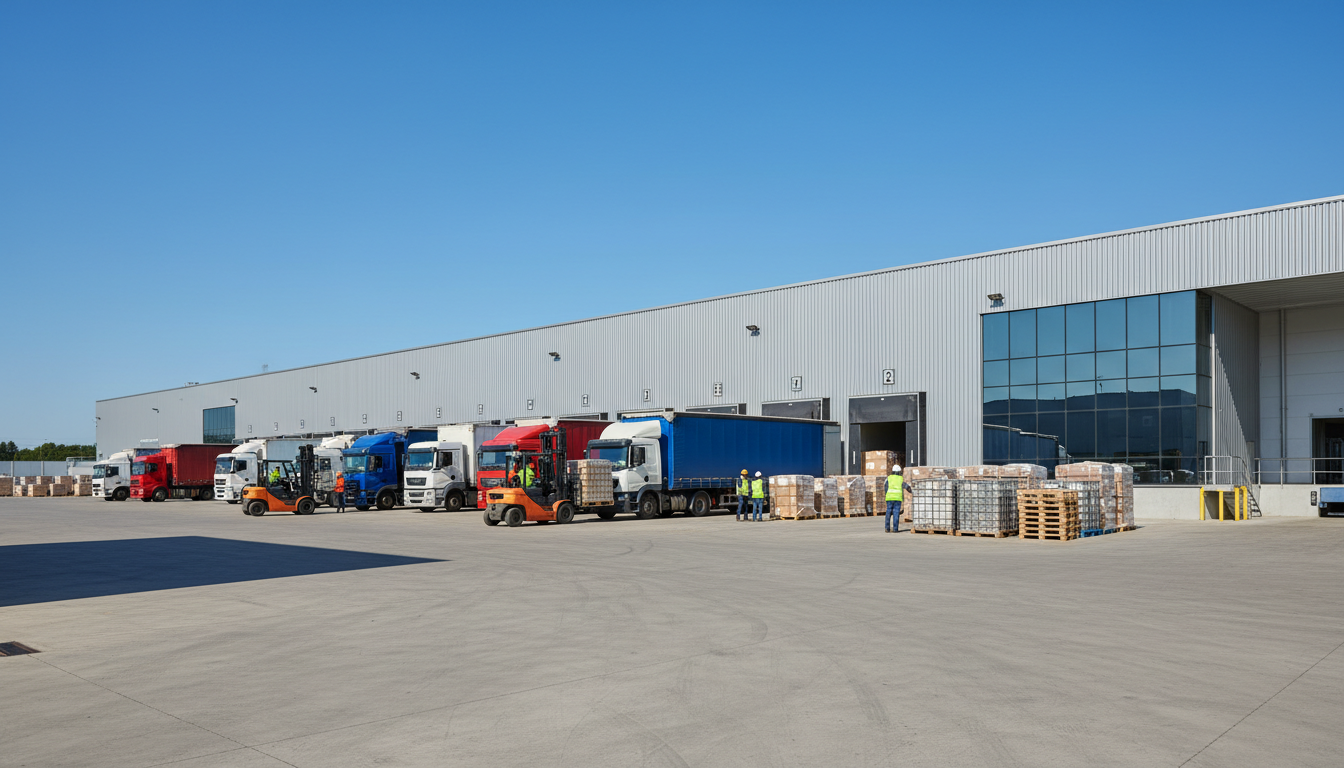
Benefits of Cross-Docking in Illinois
Cross-docking offers several advantages that contribute to enhanced supply chain efficiency. These include:
- Reduced Storage Costs: By cutting down or eliminating storage time, businesses can save on warehousing expenses.
- Improved Delivery Speed: Goods move faster from supplier to customer, improving delivery times and enhancing customer satisfaction.
- Decreased Handling Costs: With fewer touchpoints, there's less need for labor, resulting in reduced handling costs.
Illinois, with its central location and robust transportation infrastructure, is an ideal hub for cross-docking operations. The state's extensive network of highways, railroads, and airports facilitates efficient movement of goods.

Implementing Cross-Docking Strategies
Successful implementation of cross-docking requires careful planning and coordination. Here are some key steps:
- Identify suitable products and partners for cross-docking.
- Invest in technology for real-time tracking and communication.
- Train staff in efficient loading and unloading procedures.
Businesses in Illinois can leverage the state's advanced logistics infrastructure to streamline their cross-docking operations, further enhancing supply chain efficiency.

Challenges and Considerations
While cross-docking offers numerous benefits, it also presents challenges. These include:
- Coordination Complexity: Requires precise coordination between suppliers and transporters.
- Initial Setup Costs: Investment in technology and training can be significant upfront.
- Risk of Disruptions: Any delay or miscommunication can cause significant disruptions in the supply chain.
Despite these challenges, the efficiencies gained through cross-docking can outweigh the potential downsides, especially when managed effectively.
The Future of Cross-Docking in Illinois
As technology continues to advance, the future of cross-docking in Illinois looks promising. Innovations such as automated loading systems and AI-driven logistics management tools are poised to enhance cross-docking efficiency further.
Businesses that adopt these technologies will likely lead the way in setting new standards for supply chain efficiency. In an increasingly competitive market, cross-docking can provide a crucial edge.
In conclusion, cross-docking services in Illinois are transforming supply chain operations, offering significant cost savings, faster delivery times, and improved overall efficiency. As more businesses recognize these benefits, cross-docking is set to become an integral part of logistics strategies in the region.