
Expert Insights: The Future of Freight Transportation Services


Introduction
The freight transportation industry is on the brink of transformative changes. As technology advances and environmental concerns grow, experts are predicting a future filled with innovation and sustainability. This blog post will delve into the expert insights regarding the future of freight transportation services and what businesses can anticipate in the coming years.
Technological Advancements
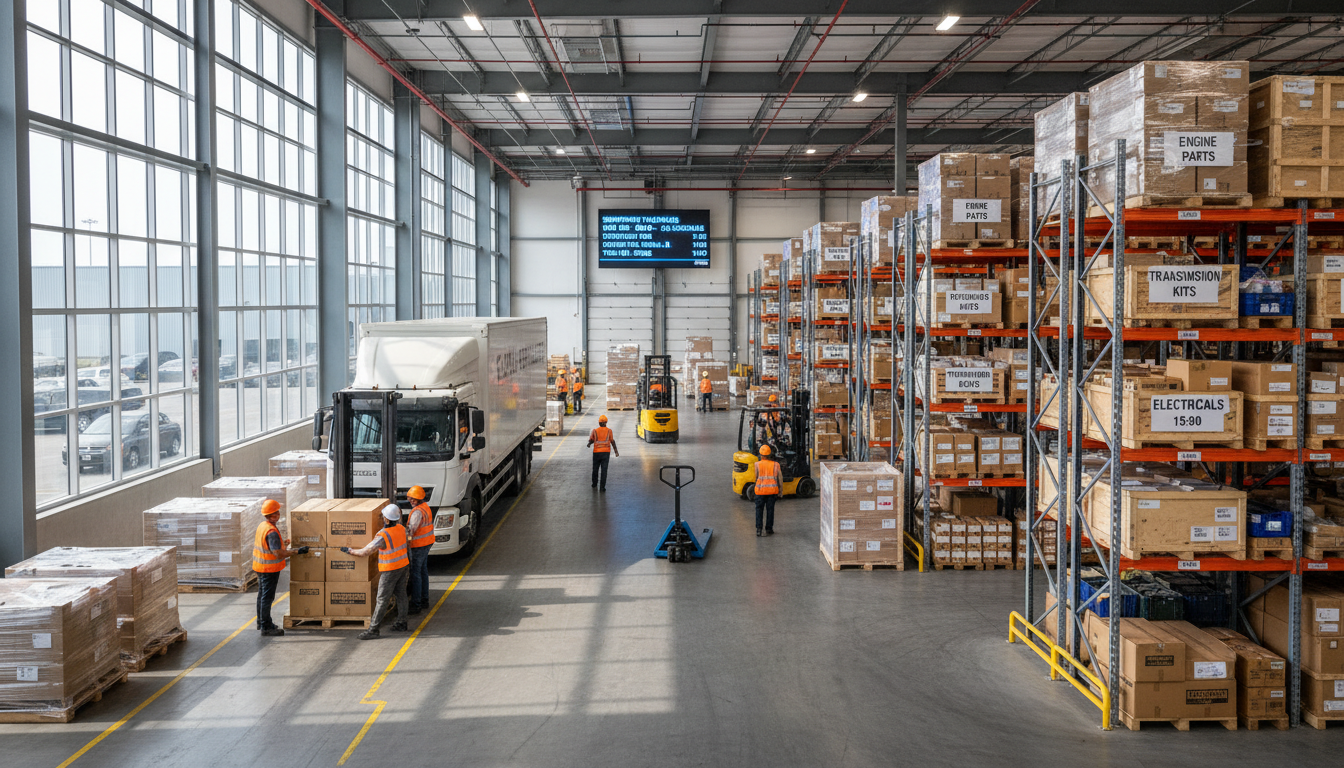
One of the most significant trends in freight transportation is the integration of technology. With the rise of the Internet of Things (IoT), artificial intelligence (AI), and blockchain, logistics and supply chain management are becoming more efficient and transparent. These technologies enable real-time tracking, predictive maintenance, and improved communication between carriers and customers.
The adoption of autonomous vehicles and drones is also on the horizon. These innovations promise to reduce labor costs and increase delivery speed. Companies are already experimenting with drone deliveries, which could revolutionize last-mile logistics.

Impact on Efficiency
Technology is not only about innovation but also about enhancing efficiency. With AI-driven analytics, companies can optimize routes, reduce fuel consumption, and improve load management. This leads to cost savings and a reduction in carbon footprints, aligning with global sustainability goals.
Sustainability Initiatives
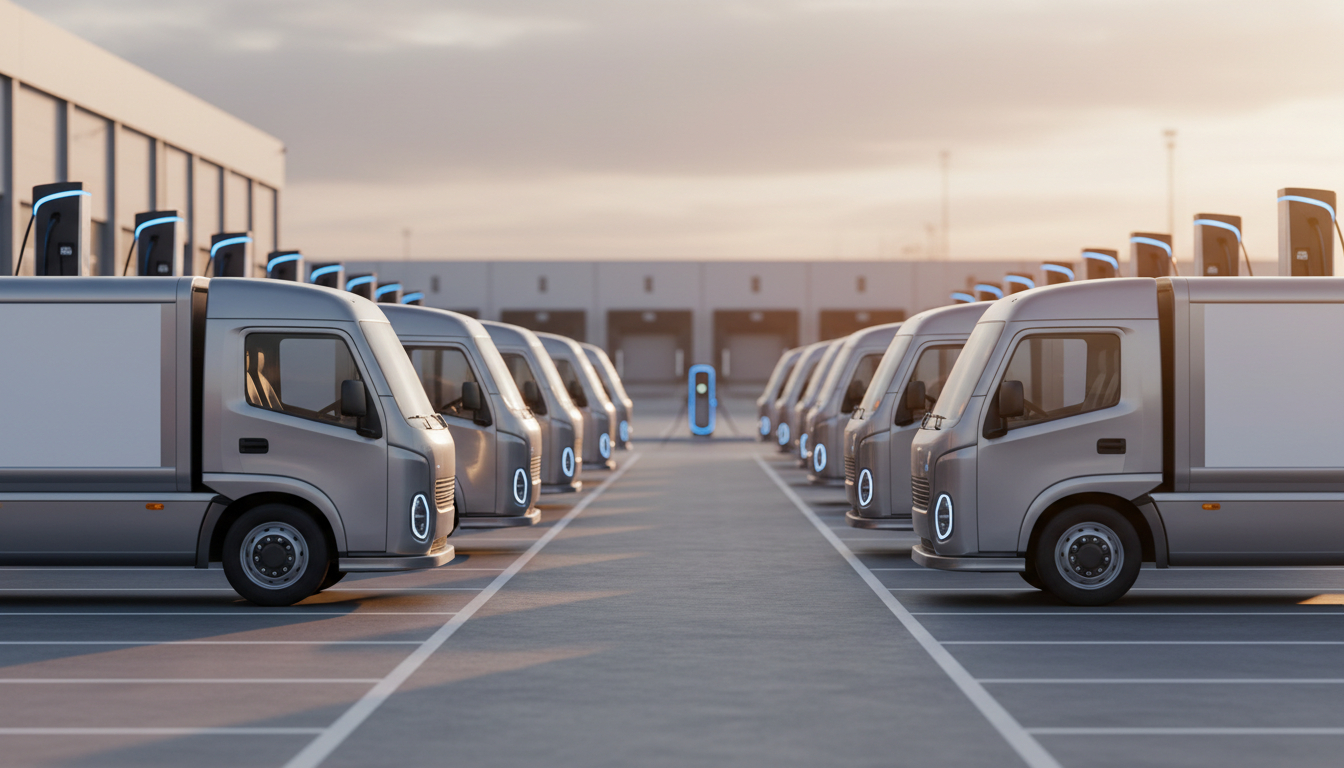
The freight industry is under increasing pressure to reduce its environmental impact. This has led to a surge in sustainability initiatives, including the development of alternative fuels and electrification of fleets. Companies are investing in electric trucks and exploring hydrogen fuel cells as viable alternatives to traditional diesel engines.
Regulatory Changes
Governments worldwide are implementing stricter regulations to curb emissions and promote sustainable practices. These changes are driving companies to innovate and adopt green technologies more rapidly. Staying compliant not only helps the environment but also enhances a company's brand image and appeal to eco-conscious consumers.
Global Supply Chain Resilience
The COVID-19 pandemic highlighted vulnerabilities in global supply chains. As a result, businesses are focusing on building more resilient and flexible logistics networks. This includes diversifying suppliers, investing in local production, and utilizing advanced analytics to predict and mitigate disruptions.

Future Workforce
As technology evolves, the demand for skilled labor in the freight industry is changing. There is a growing need for professionals who are adept at managing new technologies and data analytics. Training and development programs are crucial to equip the workforce with the necessary skills for the future.
Conclusion
The future of freight transportation services is bright, with technology and sustainability at its core. Companies that embrace these changes will likely reap the benefits of increased efficiency, reduced costs, and a positive environmental impact. As the industry continues to evolve, staying informed and adaptable will be key to success.