
Expert Advice: Navigating Midwest Logistics Challenges


Understanding Midwest Logistics Challenges
The Midwest region of the United States presents unique logistics challenges due to its diverse geography, climate, and infrastructure. From harsh winter conditions to the intricate network of highways and railways, businesses must navigate these complexities to ensure efficient supply chain operations. Understanding these challenges is the first step to overcoming them.
Weather-Related Obstacles
One of the most significant challenges in Midwest logistics is the weather. The region experiences extreme weather conditions, including heavy snowfall in winter and severe thunderstorms in summer. These conditions can lead to road closures, delays, and increased transportation costs. Preparing for weather-related disruptions is crucial for maintaining a smooth supply chain.
Businesses can mitigate these risks by investing in weather forecasting tools and maintaining flexible transportation options. Having a contingency plan in place ensures that goods can be rerouted when necessary, minimizing the impact on delivery schedules.
Infrastructure and Connectivity
The Midwest is known for its extensive network of highways, railroads, and waterways, which are vital for transporting goods. However, aging infrastructure can pose significant challenges. Delays caused by road repairs, bridge maintenance, and outdated rail systems can affect delivery times and increase costs.

To address these issues, companies should work closely with local governments and logistics partners to stay informed about infrastructure projects. Investing in technology that provides real-time updates on traffic and rail conditions can also help in planning more efficient routes.
Regulatory Considerations
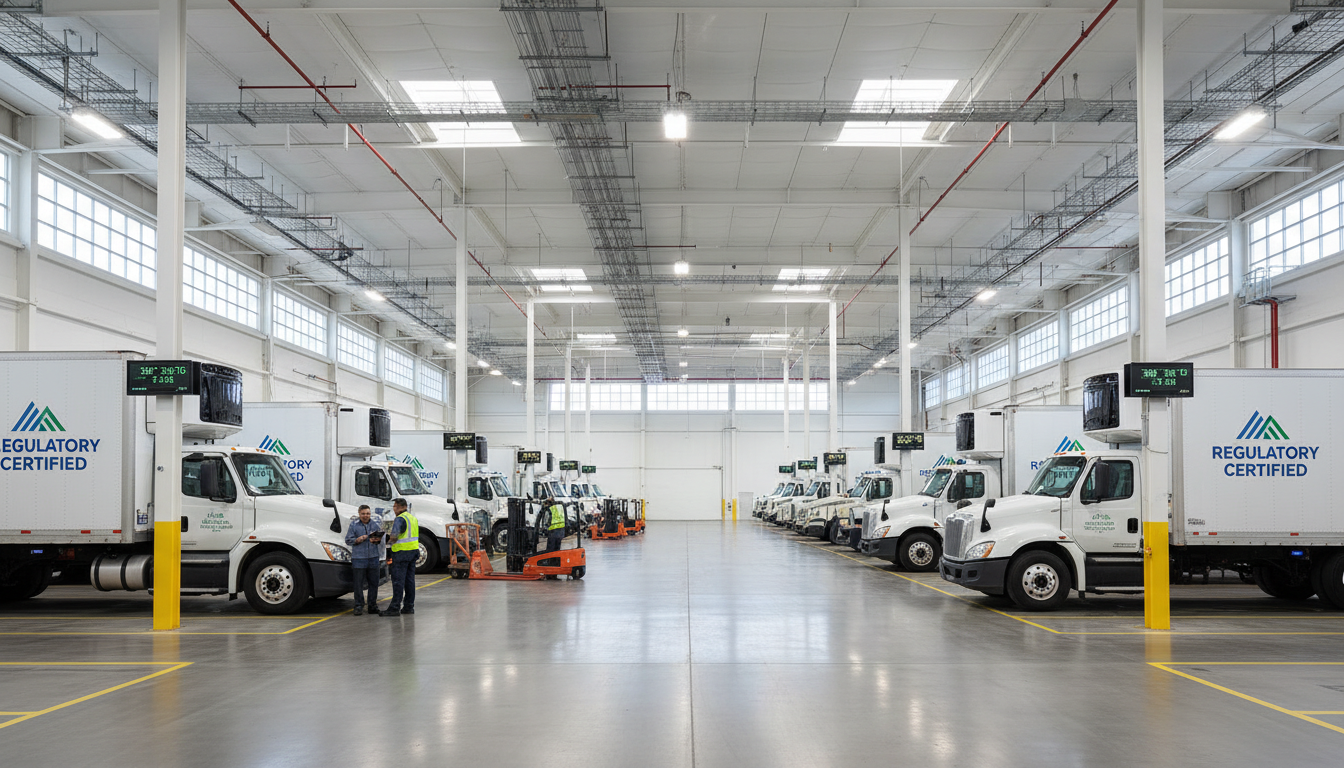
Logistics in the Midwest is also influenced by various state and federal regulations. Compliance with these regulations is necessary to avoid fines and disruptions. Understanding the differences in trucking regulations, such as weight limits and permitted routes, is essential for smooth operations.
Partnering with experienced logistics providers who are well-versed in these regulations can be beneficial. They can offer valuable insights and help navigate the complex legal landscape, ensuring that shipments comply with all necessary laws.
Effective Strategies for Success
To successfully navigate Midwest logistics challenges, companies should consider implementing the following strategies:
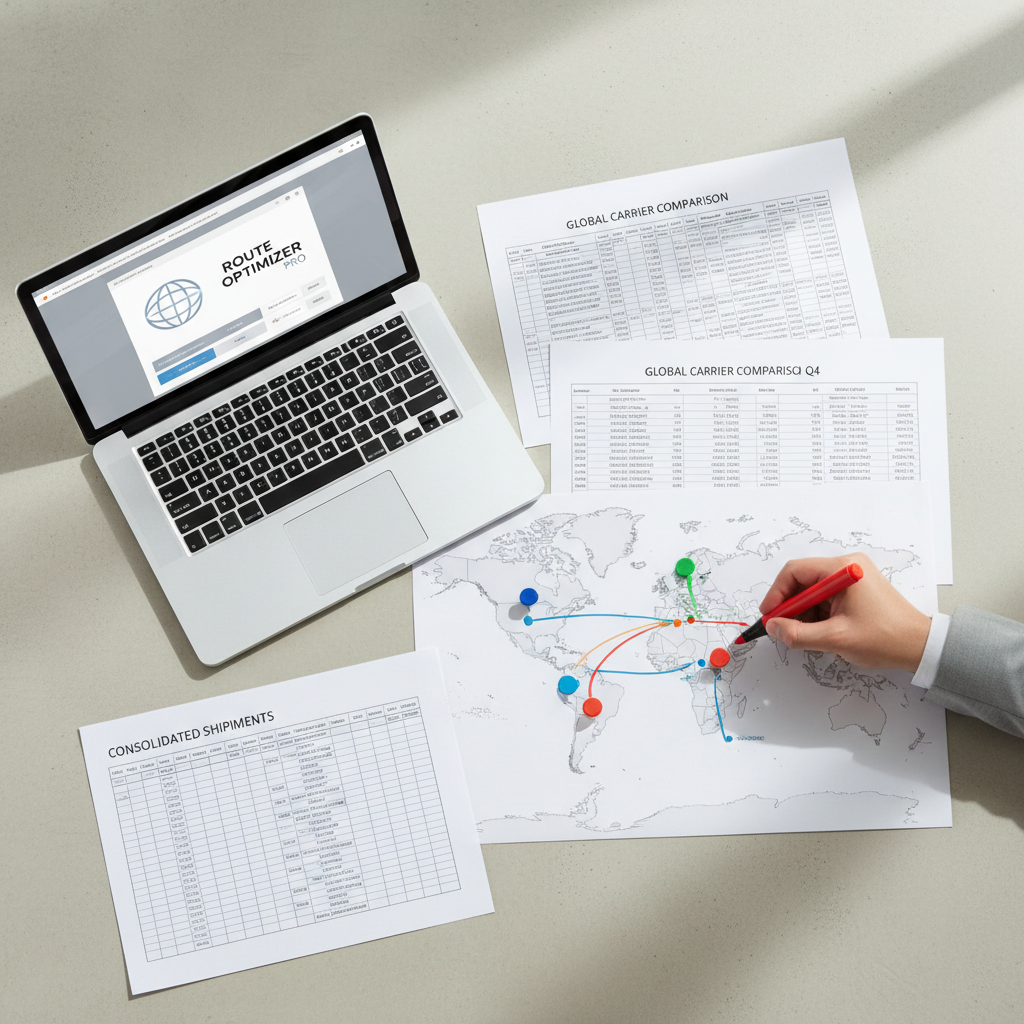
- Invest in Technology: Utilize logistics software for real-time tracking and efficient route planning.
- Build Strong Partnerships: Collaborate with reliable carriers and local authorities for better support.
- Focus on Flexibility: Develop adaptable logistics plans that can adjust to unexpected changes.
By adopting these strategies, businesses can enhance their logistics operations and gain a competitive edge in the Midwest market.
Conclusion
Navigating the logistics challenges of the Midwest requires a comprehensive understanding of the region's unique conditions and proactive planning. By addressing weather-related obstacles, infrastructure issues, and regulatory requirements, businesses can optimize their supply chains and ensure seamless operations. Embracing technology and building strong partnerships will further enhance their ability to tackle these challenges effectively.