
Case Study: Successful Implementation of Cross-Docking Services in Illinois


Introduction to Cross-Docking
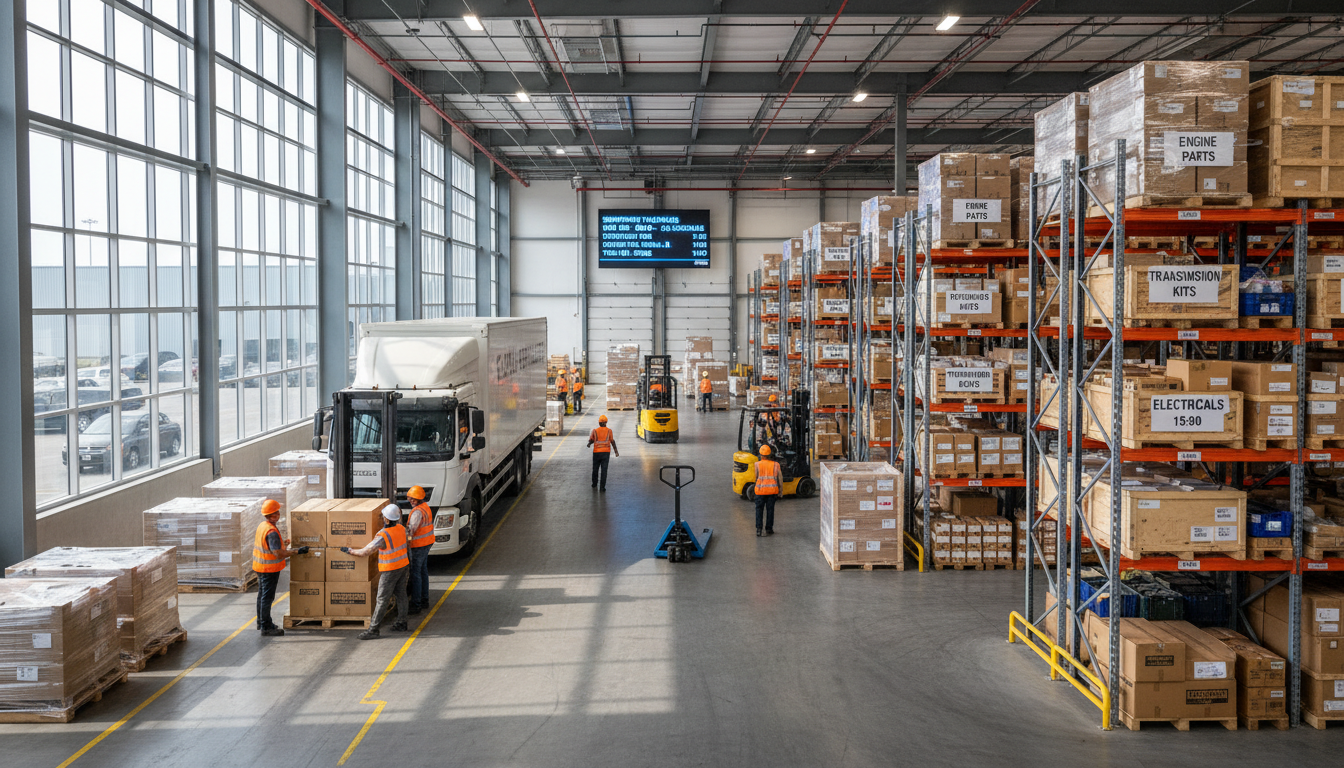
Cross-docking is a logistics strategy that involves unloading materials from incoming shipments and directly loading them onto outbound trucks with minimal storage time in between. This approach is designed to streamline supply chains, reduce storage costs, and enhance efficiency. In Illinois, a leading logistics company successfully implemented cross-docking services to optimize their operations.
By eliminating the need for long-term storage, companies can significantly cut down on inventory holding costs and improve product turnover rates. The successful implementation of cross-docking in Illinois provides an insightful case study for other businesses looking to enhance their logistics operations.

Challenges Faced
Implementing cross-docking services is not without its challenges. One of the primary hurdles is coordinating the timing of inbound and outbound shipments to ensure a seamless transition. Additionally, the logistics company in Illinois had to invest in advanced technology and train personnel to handle the complex operations effectively.
Another challenge was the adaptation of existing infrastructure to accommodate cross-docking processes. This involved redesigning warehouse layouts and upgrading handling equipment to facilitate faster loading and unloading.
Technological Integration
To overcome these challenges, the company integrated state-of-the-art technology solutions. They implemented a robust warehouse management system (WMS) that provided real-time data on shipment statuses, inventory levels, and dock availability. This technology played a crucial role in synchronizing operations and minimizing delays.

Benefits Realized
The implementation of cross-docking services in Illinois led to several significant benefits. First and foremost, the company experienced a substantial reduction in storage costs. With goods spending less time in warehouses, the need for large storage spaces was minimized.
Moreover, the faster turnover of products improved customer satisfaction. Retailers and end consumers received goods more quickly, which enhanced the overall supply chain experience. The efficiency also provided the company with a competitive edge in the logistics industry.
Environmental Impact
In addition to cost savings and efficiency, cross-docking also had positive environmental implications. With fewer goods stored in warehouses, energy consumption was reduced. The streamlined operations contributed to a lower carbon footprint, aligning with the company’s sustainability goals.
Conclusion
The successful implementation of cross-docking services in Illinois demonstrates the potential for logistics companies to optimize their supply chains. By addressing challenges through technology and infrastructure upgrades, businesses can achieve substantial cost savings and improve operational efficiency.
This case study serves as a valuable example for other organizations looking to enhance their logistics strategies. As the demand for faster and more efficient supply chains grows, cross-docking is poised to become an increasingly popular solution.