
An Expert’s Guide to Digital Logistics Management Systems for Small Businesses


Understanding Digital Logistics Management Systems
In today's fast-paced business environment, small businesses are turning to digital logistics management systems to streamline operations and improve efficiency. These systems help manage the flow of products from suppliers to customers, ensuring timely delivery and optimal resource use. Transitioning to a digital logistics system can be a game-changer for small businesses looking to compete with larger enterprises.
Digital logistics management systems offer a range of features, including inventory tracking, order management, and shipment tracking. By integrating these functions, businesses can reduce errors, minimize delays, and enhance customer satisfaction.
Key Features of Digital Logistics Systems
When selecting a digital logistics management system, small businesses should consider several key features. These include:
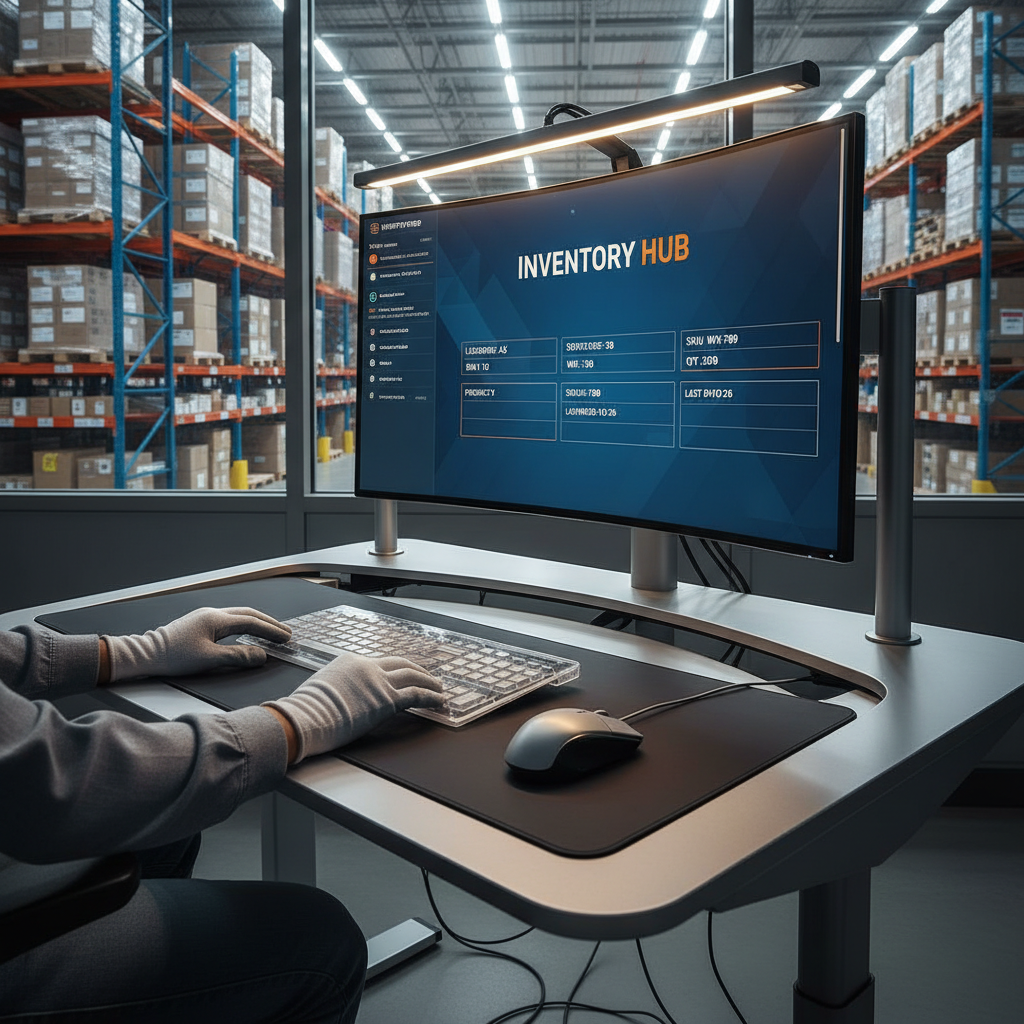
- Real-time Tracking: Allows businesses to monitor shipments and inventory levels in real-time, providing greater visibility and control.
- Automated Alerts: Set up notifications for critical events such as low inventory levels or delayed shipments.
- Integration Capabilities: Ensure the system can integrate with existing software, such as accounting and CRM tools.
Investing in a system with these features can lead to significant improvements in operational efficiency and cost savings.
Benefits of Implementing a Digital Logistics System
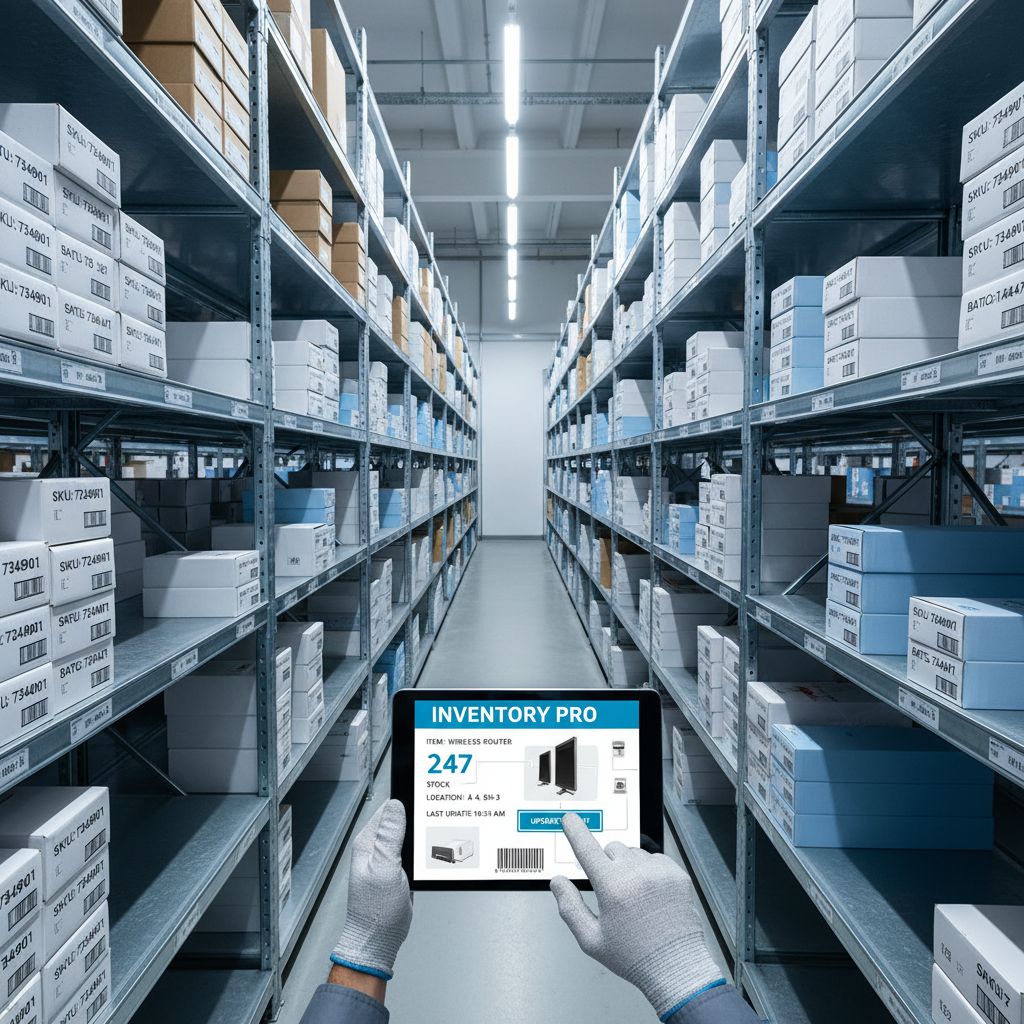
Implementing a digital logistics management system offers numerous benefits for small businesses. Firstly, it enhances operational efficiency by automating manual tasks and reducing human error. This automation allows employees to focus on more strategic activities, driving business growth.
Secondly, digital logistics systems facilitate better decision-making through data analytics. By analyzing trends and patterns, businesses can optimize their supply chain and reduce waste. This data-driven approach leads to more informed decisions and improved profitability.

Choosing the Right System for Your Business
Choosing the right digital logistics management system involves evaluating your business needs and budget. Consider factors such as scalability, ease of use, and customer support. It's crucial to select a system that can grow with your business and adapt to changing requirements.
Start by seeking recommendations from industry peers or consulting with logistics experts. Additionally, take advantage of free trials or demos to test the system's functionality before committing to a purchase.
Overcoming Common Challenges
While digital logistics systems offer many advantages, small businesses may face challenges during implementation. Common issues include resistance to change, lack of technical expertise, and data security concerns. Addressing these challenges requires strategic planning and employee training.
To overcome resistance, communicate the system's benefits clearly and involve team members in the decision-making process. Providing adequate training ensures employees are comfortable using the new system, leading to a smoother transition.

Future Trends in Digital Logistics
As technology continues to evolve, digital logistics management systems are expected to incorporate more advanced features, such as AI and machine learning. These technologies will enable predictive analytics, helping businesses anticipate demand and optimize logistics operations.
Additionally, the rise of Internet of Things (IoT) devices will further enhance supply chain visibility, providing real-time data on asset location and condition. Small businesses should stay informed about these trends to remain competitive and agile in the marketplace.