
A Comprehensive Guide to Logistics in the Midwest


Understanding the Landscape of Midwest Logistics
The Midwest, often referred to as the "Heartland" of America, plays a crucial role in the country's logistics network. Its central location, combined with a robust infrastructure, makes it a strategic hub for various industries. Understanding the logistics landscape here is essential for businesses aiming to optimize their supply chain operations.
Key Transportation Modes
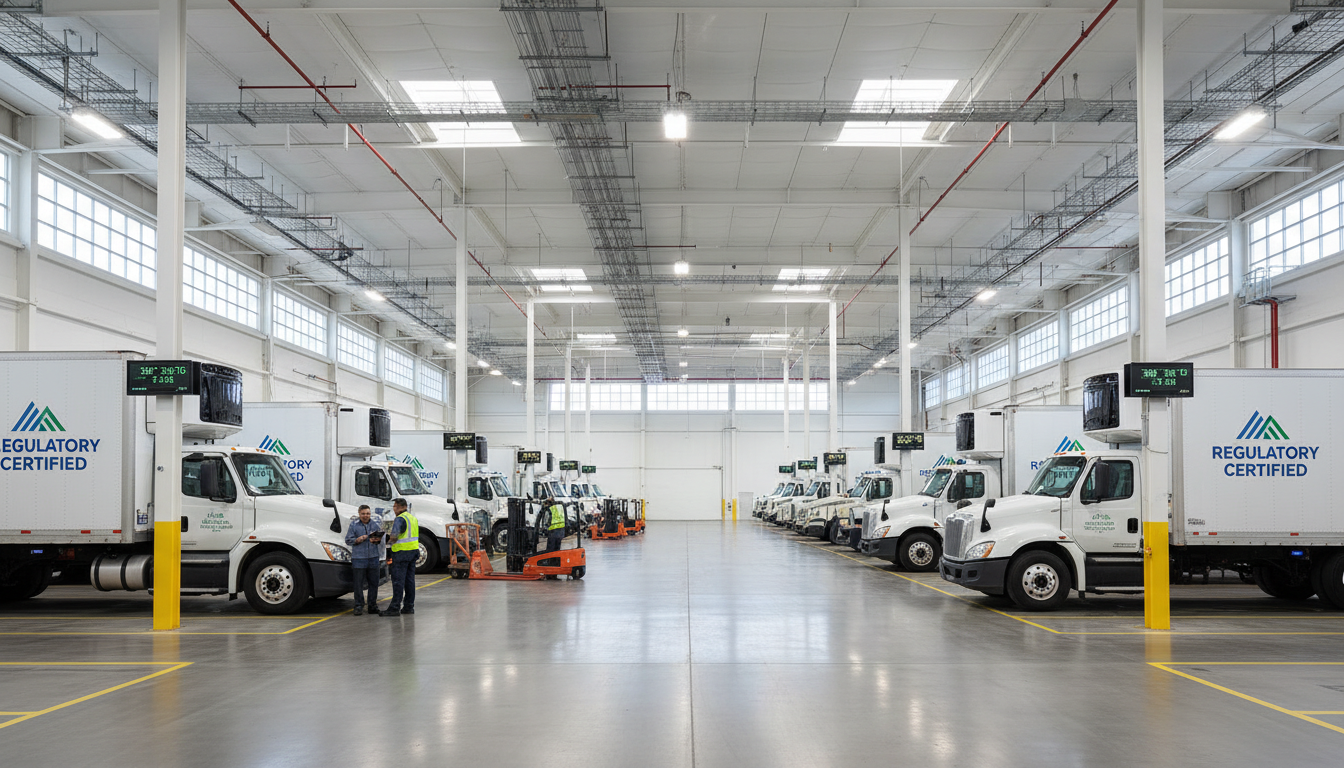
The Midwest's logistics network is supported by a variety of transportation modes. The region boasts an extensive network of highways, railroads, and waterways, all of which contribute to its efficiency. The highway system, including major interstates like I-80 and I-90, facilitates rapid ground transportation across the country.
Rail transport is another significant component, with major railroads such as Union Pacific and BNSF operating extensive networks. This mode is particularly advantageous for bulk goods, offering cost-effective long-distance transportation. Additionally, the Great Lakes and Mississippi River provide vital waterways for cargo, enhancing the region's logistic capabilities.
Challenges in Midwest Logistics
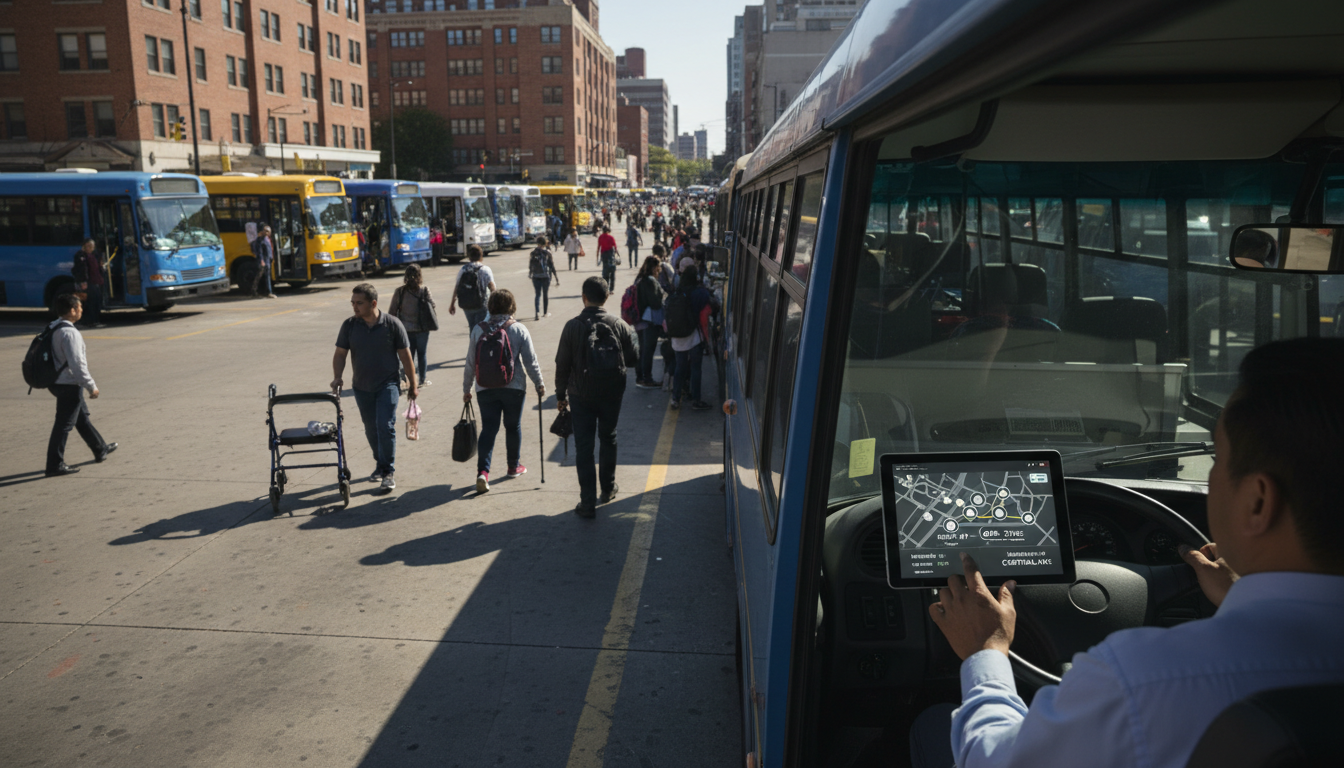
Despite its advantages, logistics in the Midwest does face several challenges. Weather conditions, particularly during winter, can disrupt transportation and supply chains. Snowstorms and icy conditions often lead to delays, requiring businesses to have contingency plans in place.
Another challenge is the fluctuating cost of fuel, which can significantly impact transportation expenses. Companies must stay informed and agile, adjusting their strategies to mitigate these cost variations effectively.
Technological Advancements in Midwest Logistics
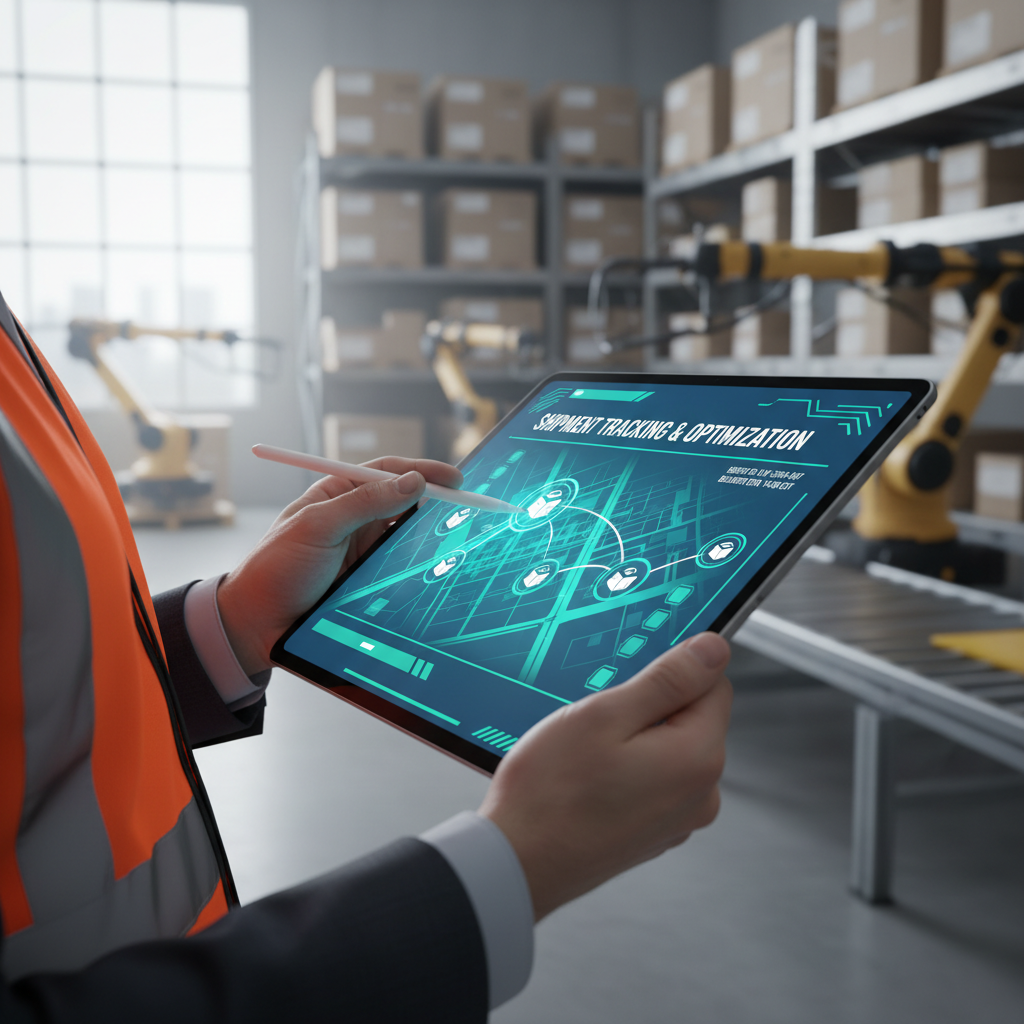
Technology is transforming logistics in the Midwest, with innovations improving efficiency and reducing costs. Automation and artificial intelligence are playing pivotal roles in warehouse management and transportation scheduling. These technologies help streamline operations, reduce errors, and enhance overall productivity.
The Role of E-commerce
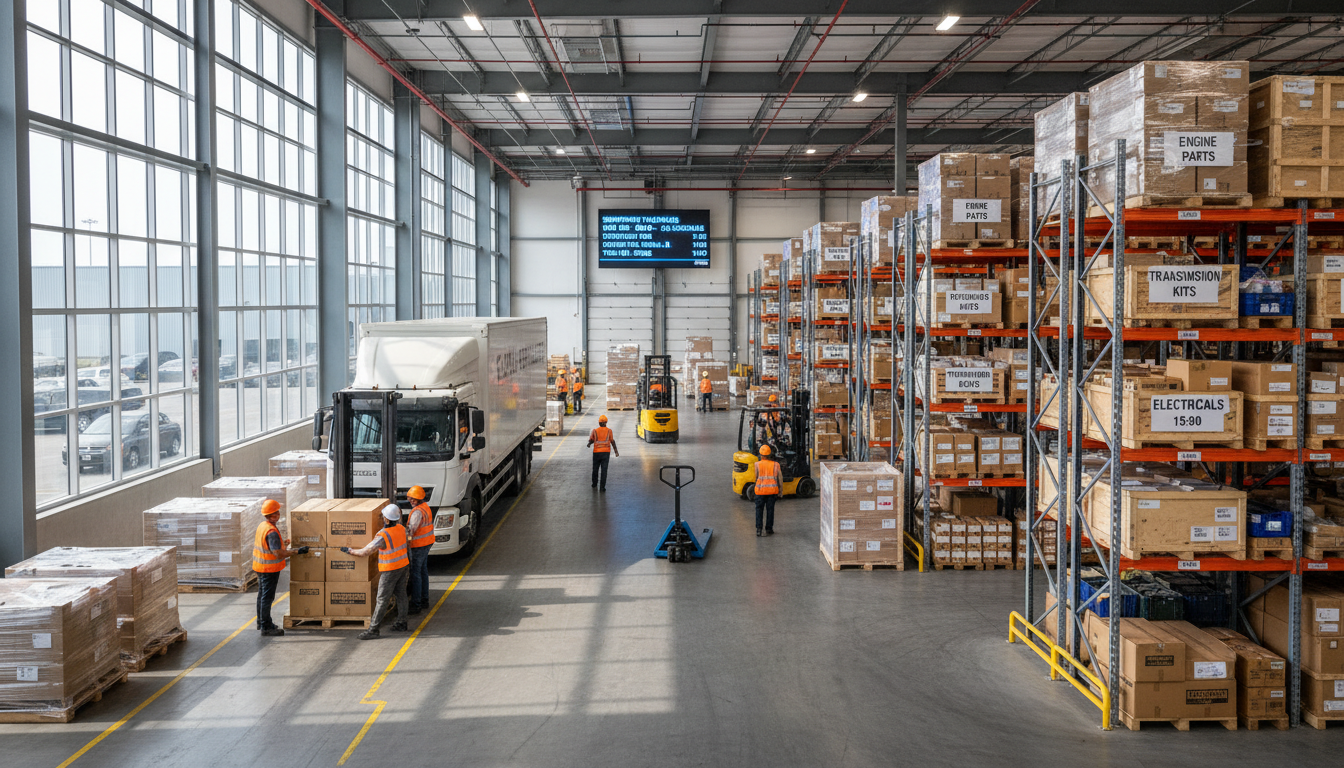
The surge in e-commerce has led to a shift in logistics demands. Consumers now expect faster delivery times, prompting businesses to adapt their logistics strategies. Many companies are establishing distribution centers closer to urban areas in the Midwest to meet these expectations efficiently.
This trend is also driving investment in advanced inventory management systems, which help businesses maintain optimal stock levels and fulfill orders promptly.
Sustainability in Logistics
Sustainability is becoming increasingly important in logistics, and the Midwest is no exception. Companies are exploring eco-friendly practices, such as utilizing electric vehicles and optimizing routes to reduce carbon emissions. These efforts not only benefit the environment but also improve brand image and customer loyalty.
Future Trends in Midwest Logistics
Looking ahead, several trends are poised to shape the future of logistics in the Midwest. The integration of renewable energy sources and the expansion of smart technology are set to revolutionize the industry. Furthermore, public and private sector collaborations will likely grow, fostering infrastructure improvements and innovations.
As businesses continue to adapt to these changes, staying informed and proactive will be key to maintaining a competitive edge in the dynamic logistics landscape of the Midwest.